






Audit Finds Health Canada’s Pesticide Water Monitoring Works but Needs Stronger Follow-Up

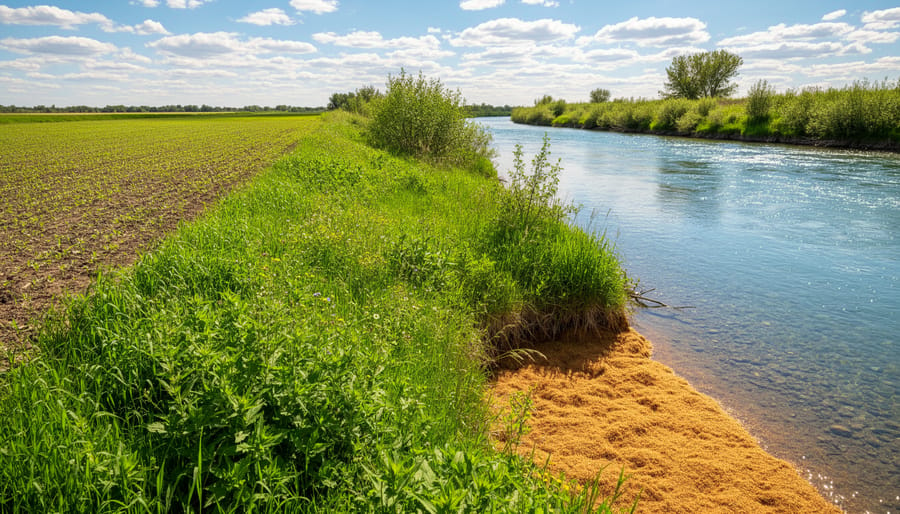
A report tabled on October 29 by Canada’s Commissioner of the Environment and Sustainable Development, part of the Auditor General’s office, assessed Health Canada’s national program for monitoring pesticides in water. The audit found that the Canadian Water Monitoring Program for Pesticides, launched in 2024, was implemented as intended and is already informing pesticide reviews, with its data considered in 10 reviews in the program’s first two years. In 2024, partners collected nearly 4,000 water samples, and 30 of the 233 pesticides analyzed exceeded Health Canada reference values for aquatic life, including four in the highest risk group.
The auditors found that Health Canada had only draft criteria for acting when concentrations exceed aquatic life levels and none yet for levels that may pose a risk to human health. They recommend that the department finalize aquatic life thresholds, develop human health thresholds, clarify what actions follow when thresholds are met, and consider the cumulative effects of pesticides on aquatic environments. The findings matter for Canadian agriculture because pesticide reviews shape which crop protection products growers can use, and monitoring data helped prompt a February 2026 expansion of the clothianidin review to include aquatic invertebrates. These are audit recommendations, not new restrictions enacted on October 29, and any changes to product registrations or permitted uses would require separate regulatory action.