
The influence of land leveling on pest and disease management in crops


Importance of Pest and Disease Management in Crop Production
Pest and disease management is of utmost importance in crop production for several reasons. Here are some key points highlighting the significance of effective pest and disease management:
- Yield Protection: Pests and diseases can significantly reduce crop yields by damaging plants, reducing their vigor, and inhibiting their ability to produce healthy and abundant harvests. By implementing pest and disease management strategies, farmers can protect their crops and minimize yield losses.
- Food Security: With a growing global population, ensuring food security is crucial. Pests and diseases can ravage crops, leading to reduced availability of food. Effective management practices help maintain crop productivity, increasing the availability of food and contributing to global food security.
- Economic Impact: Pests and diseases can have severe economic consequences for farmers and agricultural industries. Crop losses can result in financial hardships for farmers, reduced profitability, and increased food prices for consumers. By implementing proper management strategies, farmers can mitigate economic losses and maintain the stability of agricultural economies.
- Environmental Sustainability: Uncontrolled pest and disease outbreaks can lead to the excessive use of chemical pesticides and fungicides, posing risks to the environment, including soil
Definition and Objectives of Land Leveling
Land leveling refers to the process of modifying the topography of a piece of land to create a more even and uniform surface. It involves reshaping the land by removing high spots, filling in low spots, and creating a smooth and level area suitable for various agricultural, construction, or land development purposes.
The objectives of land leveling can vary depending on the specific needs and intended use of the land. However, some common objectives include:
- Improved Irrigation: Land leveling facilitates efficient irrigation by ensuring uniform water distribution across the field. It eliminates low-lying areas where water can accumulate, leading to waterlogging, and helps in the proper drainage of excess water.
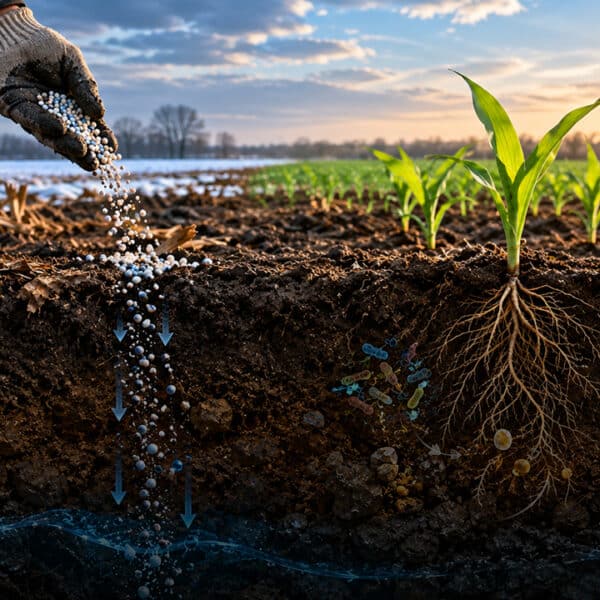
- Enhanced Crop Production: Leveling the land helps in maximizing crop productivity. It creates a more uniform surface, allowing for the even distribution of water, nutrients, and agrochemicals. This promotes optimal plant growth, reduces the risk of water stress or nutrient deficiencies, and facilitates mechanized farming operations.
- Soil Conservation: Land leveling can contribute to soil conservation efforts. By eliminating variations in topography, it helps prevent soil erosion caused by water runoff. It also reduces the risk of soil deposition in lower-lying areas, which can lead to nutrient imbalances and decreased soil fertility.
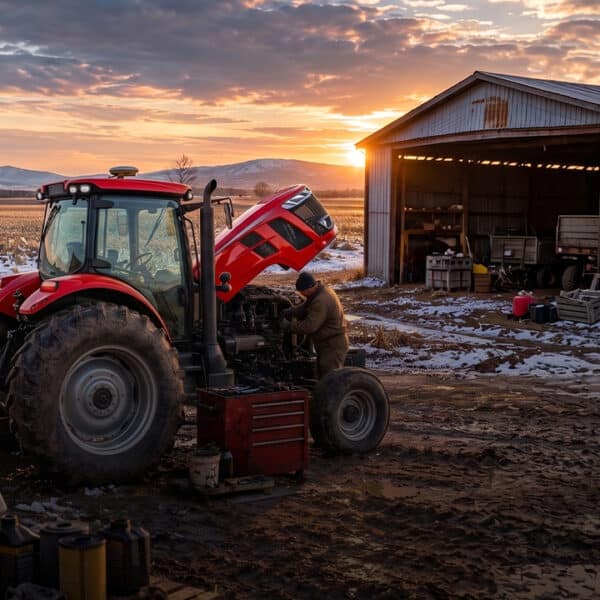
- Improved Machinery Operations: Leveling the land provides a smoother surface for agricultural machinery to operate on. It reduces the chances of equipment damage, improves maneuverability, and enhances the efficiency of field operations such as planting, harvesting, and spraying.
- Land Utilization: Land leveling enables efficient land use and layout planning. It creates a more uniform area that can be easily divided into smaller fields or plots, allowing for better organization, accessibility, and utilization of the land for various purposes, including construction, infrastructure development, or urban planning.
Overall, the primary goal of land leveling is to optimize land productivity, improve water management, reduce soil erosion, and facilitate effective land utilization for sustainable agricultural and land development practices.
Benefits of Land Leveling for Pest and Disease Management
While land leveling itself may not directly address pest and disease management, it can contribute to creating conditions that support effective pest and disease control. Here are some benefits of land leveling for pest and disease management:
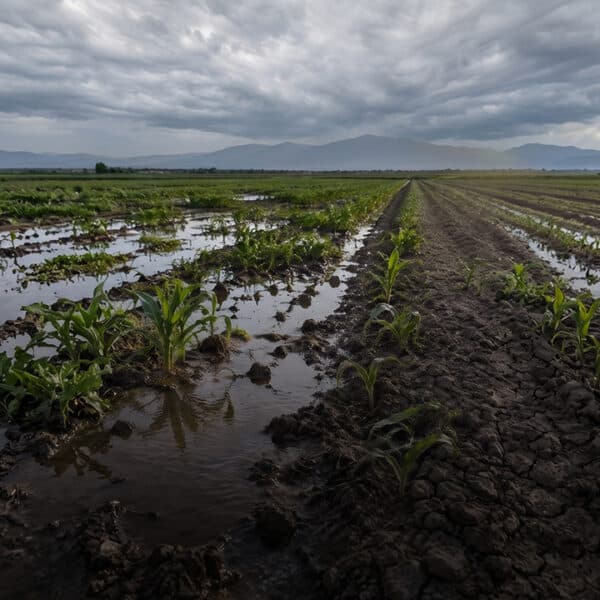
- Drainage Improvement: Land leveling helps in improving drainage by eliminating low-lying areas where water can stagnate. Excess moisture can create favorable conditions for certain pests and diseases, such as fungal pathogens and waterborne pests. By promoting better drainage, land leveling reduces the risk of water-related pest and disease issues.
- Enhanced Cultural Practices: Land leveling provides a more uniform surface, making it easier to implement cultural practices that aid in pest and disease management. For example, it facilitates the use of mechanical equipment for weed control, crop monitoring, and pesticide application. This enables farmers to carry out pest and disease management practices more effectively and efficiently.
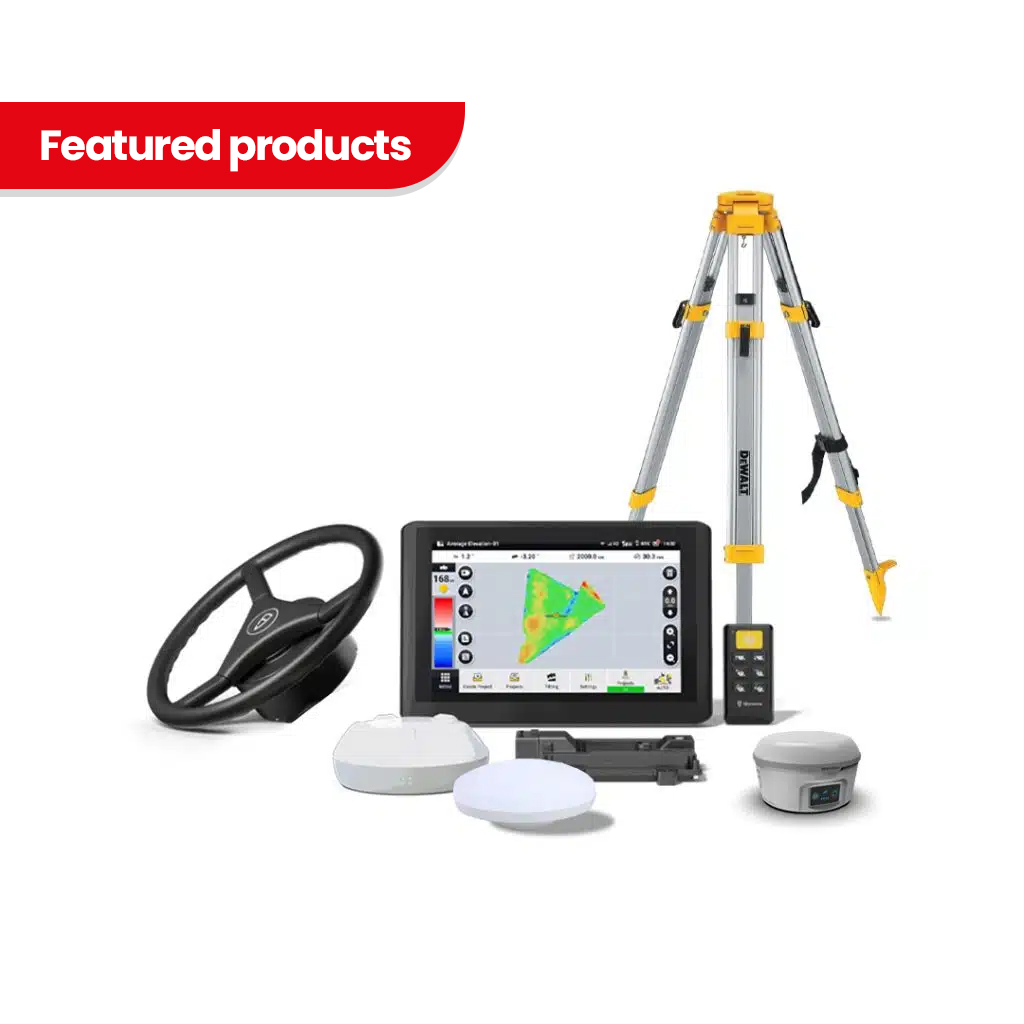
- Precision Agriculture: Land leveling supports the implementation of precision agriculture techniques. Precision agriculture involves using advanced technologies, such as remote sensing, GPS, and variable-rate application systems, to optimize inputs and manage pests and diseases more precisely. A level surface allows for accurate positioning of sensors and equipment, enabling farmers to monitor and manage pests and diseases at a finer scale.
- Crop Rotation and Planting Layout: Land leveling can help in implementing better crop rotation and planting layouts. By creating a uniform field surface, it becomes easier to plan and implement crop rotations, which is an essential strategy for pest and disease management. Crop rotation disrupts pest life cycles, reduces pest buildup, and breaks disease cycles, thereby minimizing the risk of pest and disease outbreaks.
- Pest Monitoring and Early Detection: A level field provides better visibility and accessibility for pest monitoring and early detection. Farmers can easily observe their crops, identify signs of pests or diseases, and take timely action to prevent their spread. Accessible fields also facilitate regular scouting and monitoring activities, enabling farmers to stay proactive in pest and disease management.
It’s important to note that land leveling should be combined with other integrated pest and disease management practices, such as crop rotation, biological control, proper sanitation, and judicious use of pesticides, to achieve effective pest and disease control in agricultural systems.
Challenges and Limitations of Land Leveling in Pest and Disease Management
Land leveling plays a crucial role in pest and disease management in agriculture. However, it also has its challenges and limitations. Let’s explore them:
- Water Drainage: Improper land leveling can lead to inadequate water drainage, resulting in waterlogged or poorly drained areas. These conditions create a favorable environment for pests and diseases to thrive. The accumulation of water can increase the incidence of waterborne diseases and promote the growth of pests that prefer moist conditions.
- Erosion: Land leveling can disrupt the natural topography and soil structure, making the land more prone to erosion. Erosion can lead to the loss of topsoil, which contains essential nutrients necessary for plant growth. Without proper nutrient levels, plants may become weak and more susceptible to pests and diseases.
- Uneven Distribution of Water: Inefficient land leveling can cause uneven distribution of irrigation water across the field. Some areas may receive excess water, while others may suffer from water deficiency. Inadequate water supply can weaken plants and make them more susceptible to pests and diseases.
- Pest and Disease Hotspots: Improper land leveling can create low-lying depressions or high spots, which can become hotspots for pests and diseases. Depressions may accumulate water and provide breeding grounds for mosquitoes and other waterborne pests. High spots, on the other hand, may experience poor water distribution and drainage, leading to stressed plants that are more susceptible to pests and diseases.
- Accessibility for Pest Management: Uneven land surfaces can hinder the effectiveness of pest management practices. For example, it can be challenging to apply pesticides uniformly when there are variations in the land’s elevation. This can result in inadequate pest control in certain areas, allowing pests to persist and spread.
- Cost and Time: Land leveling can be a costly and time-consuming process. It requires specialized equipment and skilled operators to achieve optimal results. The financial and time constraints associated with land leveling may limit its widespread adoption, particularly in small-scale farming operations.
- Environmental Impact: Land leveling can have environmental consequences if not executed properly. It may disrupt the natural habitat of certain organisms and affect biodiversity. Additionally, the use of heavy machinery during land leveling can contribute to soil compaction, which negatively impacts soil health and reduces its ability to support beneficial organisms that help control pests.
To overcome these challenges and limitations, it is important to prioritize proper land leveling techniques that take into account the specific needs of the crop, soil type, and local environmental conditions. Employing skilled professionals, integrating sustainable land management practices, and implementing appropriate irrigation and drainage systems can help mitigate these challenges and enhance pest and disease management in agricultural landscapes.
Frequently Asked Questions
1: What is land leveling?
Land leveling refers to the process of altering the topography and contour of agricultural land to create a more even and uniform surface. It involves removing or filling in soil to eliminate slopes and irregularities, resulting in a flat or gently sloping terrain.
2: How does land leveling influence pest and disease management in crops?
Land leveling can have several effects on pest and disease management in crops. Some key influences include:
- Water management
- Uniform pesticide application
- Enhanced monitoring
- Reduced pest habitats
- Improved cultural practices
3: Are there any challenges associated with land leveling in relation to pest and disease management?
While land leveling can offer benefits for pest and disease management, it may also present some challenges:
- Soil erosion
- Altered microclimates
- Increased vulnerability to certain pests