

Why Do Farmers Rotate Crops? Crop Rotation Explained

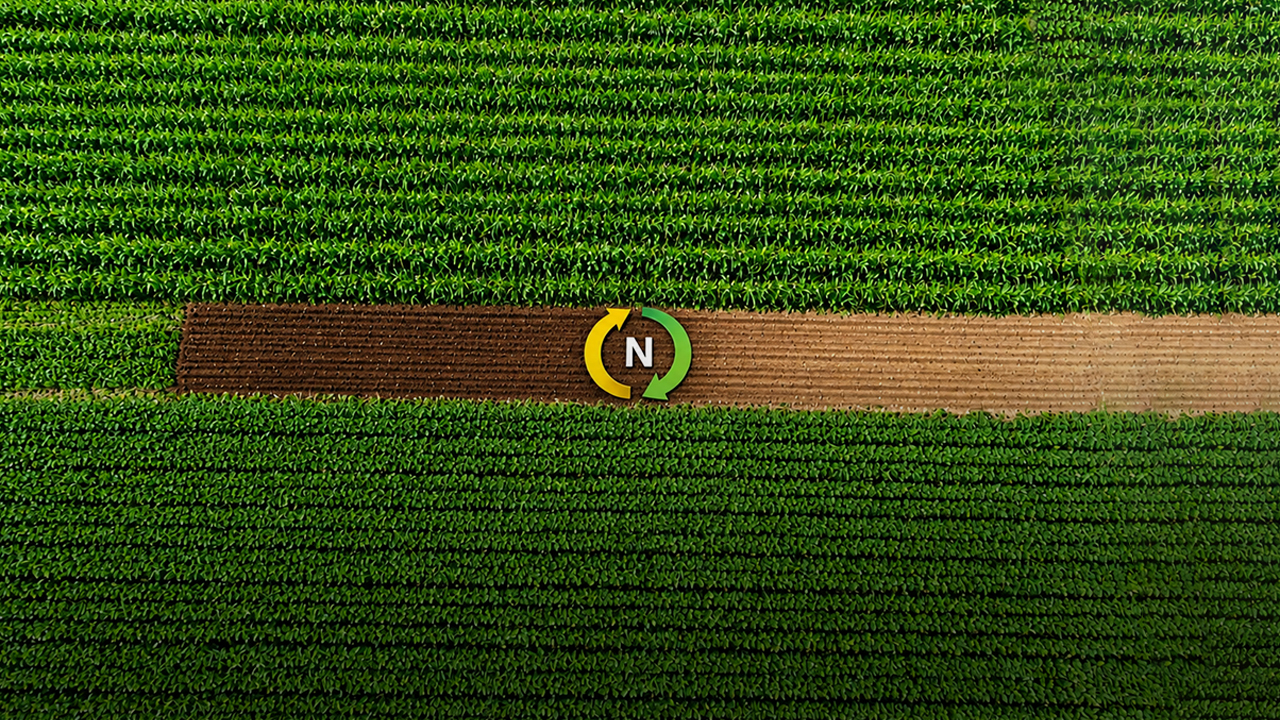
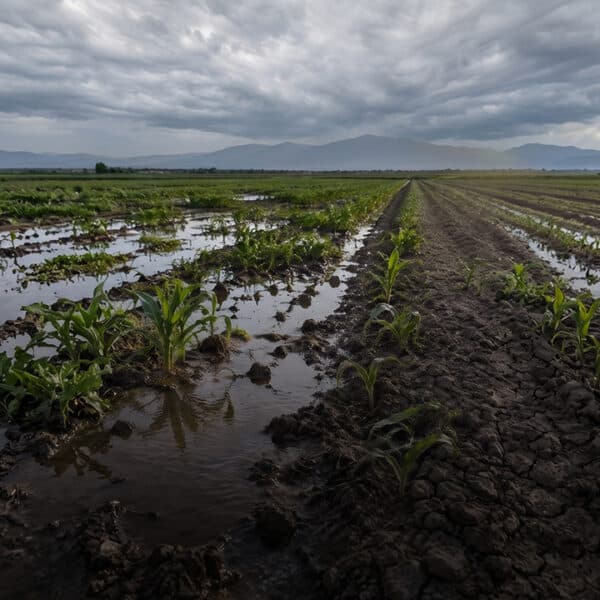
Picture a field that grows corn every year. The crop is planted, harvested, and planted again the next spring. Each season, the field is asked to do the same job in the same way: supply the same nutrients, grow the same kind of roots, and take in the same kind of crop residue. So why do farmers rotate crops instead? Because soil responds to variety. Crop rotation is a planned sequence of different crops grown on the same ground over several years, such as corn one year, soybean the next, and wheat after that, and it spreads those demands around.
What Happens When the Same Crop Is Grown Year After Year?
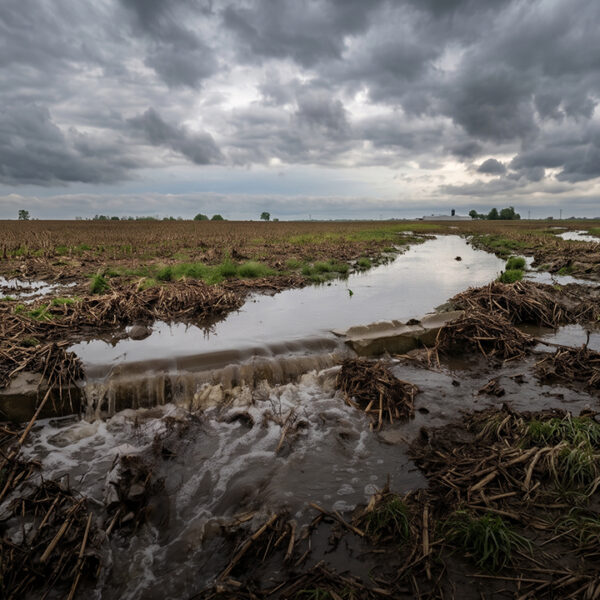
Every crop draws on the soil in its own way. Different crops need particular nutrients and use them up at a particular depth, so growing the same crop in the same place season after season can exhaust what that crop needs. Farmers can offset some of that with fertilizer and soil testing, but continuous planting still leaves the field with very little plant diversity: the same roots, the same residue, the same demands.
Repetition also helps the wrong things. Each kind of plant attracts its own pests and diseases, and when the same crop keeps returning to the same field, those problems can become established and build up from one season to the next. Weeds can take advantage of the repetition too.
A Simple Three-Year Example: Corn, Soybean, and Wheat
A corn, soybean, and wheat rotation makes the idea easy to see.
Year one: corn
Corn is productive, but it typically needs a lot of nitrogen, so it draws hard on the soil. After harvest, its roots and residue return organic matter to the soil, but if corn is the only crop grown, it’s always the same kind of material.
Year two: soybean
Soybean changes the pattern because it’s a legume. With help from bacteria living in nodules on its roots, it can pull a substantial share of the nitrogen it needs from the air instead of relying only on the soil. That doesn’t mean soybean simply refills what corn used: it removes a lot of nitrogen in the grain it produces. But the nitrogen left in its roots and residue breaks down readily, which is why nutrient recommendations usually give the next crop a nitrogen credit. Soybean also leaves different roots and residue than corn does.
Year three: wheat
Wheat brings another root system, growing calendar, and type of residue. Corn and wheat residue also take longer to break down than soybean residue, so each crop feeds the soil on a different timetable.
The point isn’t that every farm should use these three crops. USDA’s Natural Resources Conservation Service (NRCS), for example, publishes a sample rotation that cycles corn, oats, and hay across four years. What matters is that the crop changes, so the soil doesn’t face the same biological and nutritional demands every year.
How Crop Rotation Supports Soil Fertility
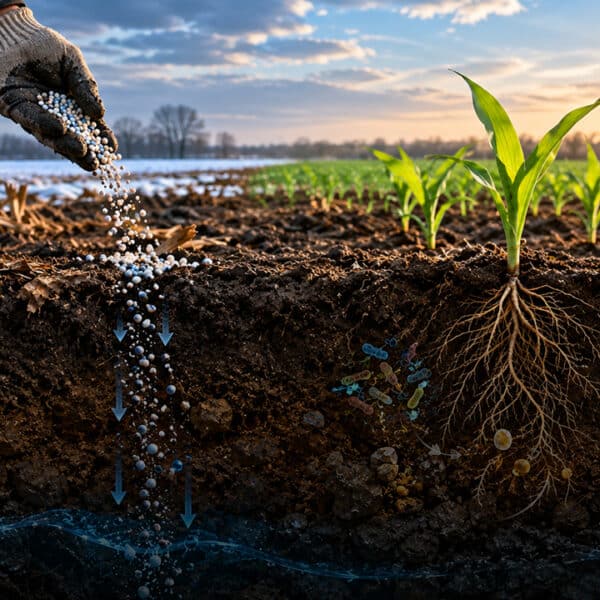
Different crops use nutrients in different amounts and reach for them at different depths, so rotation spreads the demand across the soil instead of hitting the same layer every year. Deeper-rooted crops can even pick up nutrients that have washed below the reach of shallower roots and bring them back into circulation. NRCS lists increased nutrient cycling and better nutrient use efficiency among the benefits of conservation crop rotation.
Rotation doesn’t replace soil testing or fertilizer management, though. NRCS’s own rotation guidance builds periodic soil testing and nutrient planning into the process. Rotation supports a more balanced approach to fertility; it works alongside those tools, not instead of them.
How Crop Rotation Improves Soil Health
Soil is a habitat, not just a place to hold roots. NRCS describes soil health as largely a matter of keeping a good home for the living things in the soil. Plants feed those organisms by releasing sugars through their roots, and a variety of plants provides a variety of food, which supports a wider range of soil microorganisms. The Food and Agriculture Organization of the United Nations (FAO) adds that different roots release different substances that attract different bacteria and fungi, which help turn those substances into nutrients plants can use.
Different root systems also shape the soil itself. Roots of varied forms, sizes, and depths create channels that can help water and nutrients move through the soil. That’s one reason NRCS lists diversity, through crop rotation and cover crops, as one of four basic soil health principles, alongside keeping the soil covered, disturbing it as little as possible, and keeping plants growing throughout the year.
Crop Rotation Can Also Reduce Pest, Disease, and Weed Pressure
Fertility and soil health are the main reasons to rotate, but they aren’t the only ones. Many pests and diseases are closely tied to particular crops. Change the crop, and the next one may not provide the same host or growing conditions, which can break the chain of infection between seasons. FAO notes that this works only when the rotation actually reduces what carries over, since some pathogens survive on many kinds of plants, so the choice of crops matters. Some crops can also suppress weeds, and rotation changes planting times and crop competition, which may make conditions less favorable for certain weeds.
Rotation doesn’t eliminate pests, diseases, or weeds. It works best as one part of a broader pest management approach, and NRCS lists decreased pesticide use among its potential benefits.
Where Cover Crops Fit In
Cover crops are different from crop rotation, but the two work well together. A cover crop is planted for seasonal ground cover to protect and improve the soil, rather than to be harvested as the main crop. NRCS says cover crops can increase soil organic matter, prevent erosion, conserve soil moisture, reduce nutrient loss, and feed soil life. Because they keep living roots in the ground between main crops, they add another layer of plant diversity to the field.
So, Why Do Farmers Rotate Crops?
Farmers rotate crops because growing different plants over time reduces the repeated pressure that comes from planting the same crop again and again. The biggest payoffs are maintaining soil fertility, supporting healthier soil, and improving nutrient cycling. Rotation can also ease pest, disease, and weed pressure while supporting soil structure and long-term productivity. The exact crops vary from farm to farm, but the principle stays the same. At its core, rotation keeps a field from being asked to do the same thing, the same way, year after year.