Agricultural Pesticides: Types, Roles, and Where They Fit

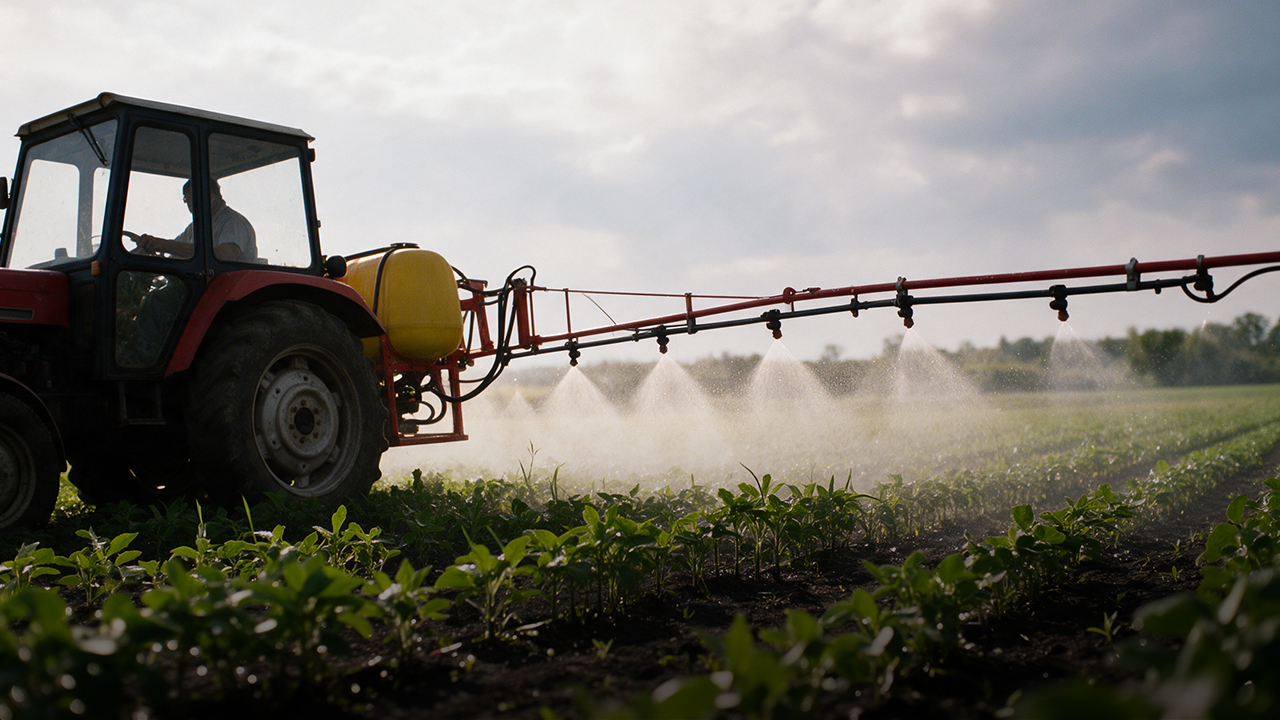
Pesticides are used across agriculture to protect crops, stored products, land, and other farm resources from organisms that can cause damage. But the word describes a category, not a single product or method: a herbicide, insecticide, and fungicide are designed for very different problems, and treating them as one thing is where mistakes start. A useful place to begin is with the target: what’s actually causing the damage, and which type of pesticide is built to act on it? FAOSTAT reported 3.73 million tonnes of pesticide active ingredients used in agriculture worldwide in 2023, a sense of the scale involved across modern farming.
Different Pest Problems Call for Different Pesticides
The major groups are named largely for the organism they control: herbicides for unwanted plants, insecticides for damaging insects and other arthropods, fungicides for fungal diseases. Rodenticides, nematicides, and molluscicides fill narrower roles against rodents, nematodes, and slugs or snails.
This distinction matters for a practical reason: visible crop damage doesn’t always reveal its cause. Yellowing, weak growth, missing leaf tissue, damaged roots, or poor development can all come from different sources, and a pesticide only helps when its target actually matches the problem. That’s also why pesticides aren’t interchangeable. A fungicide won’t solve an insect problem, and an insecticide won’t touch a weed.
Where Herbicides Fit
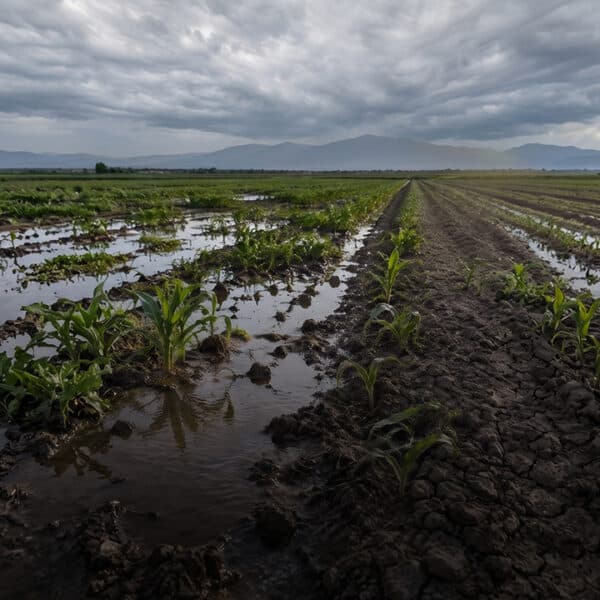
Weeds compete with crops for water, nutrients, light, and space, and they can interfere with irrigation, field access, and harvest. Herbicides are meant to reduce that competition where it’s creating a meaningful problem, whether that’s a row crop, an orchard, an irrigation area, or another managed agricultural site.
Selective herbicides act on certain weeds while leaving a compatible crop relatively unaffected, which makes them suitable where particular weeds are growing among a crop that can tolerate the treatment. Non-selective herbicides affect a much broader range of vegetation, fitting situations where the goal is broad vegetation control rather than picking out specific weeds.
Herbicides also differ in how they act once applied. Contact herbicides mainly affect the plant tissue they actually touch. Systemic herbicides are absorbed and move within the plant, reaching parts beyond where they landed. These differences are why two products can both be called weed killers and still be intended for entirely different weeds, growth stages, or field situations.
Insecticides and Fungicides Address Different Kinds of Damage
Insecticides target insects and related arthropod pests, which can damage a crop in very different ways: chewing leaves, boring into stems or fruit, feeding on roots, or sucking plant fluids. Which insecticide fits depends partly on the pest species, where it’s feeding, and its life stage, since different products work through different biological processes.
Contact insecticides act when the pest comes into direct contact with the treated surface. Systemic insecticides are absorbed by the plant, so an insect encounters the active ingredient simply by feeding on plant tissue.
Fungicides deal with fungal diseases such as rusts, mildews, molds, and blights rather than insect damage. Contact fungicides mainly stay on the plant surface, forming a protective barrier; systemic fungicides are absorbed into plant tissue and can move beyond where they were applied. Disease type, crop growth stage, weather, and whether infection has already started all affect which type is the better fit.
What Makes One Pesticide More Suitable Than Another
Choosing a pesticide is less about finding the strongest product and more about matching it to the situation. Target organism, crop or site, growth stage, timing, weather, soil conditions, and mode of action all shape the outcome.
Product labels are part of that match: they define the crops or sites, target pests, use conditions, and restrictions a product is approved for. Regulations differ by country, so the same active ingredient isn’t necessarily approved for the same uses everywhere.
Resistance adds another layer. When the same mode of action is relied on repeatedly, less-sensitive individuals can survive and reproduce, letting resistant populations become more common over time. This shows up with weeds, insects, and disease-causing fungi alike.
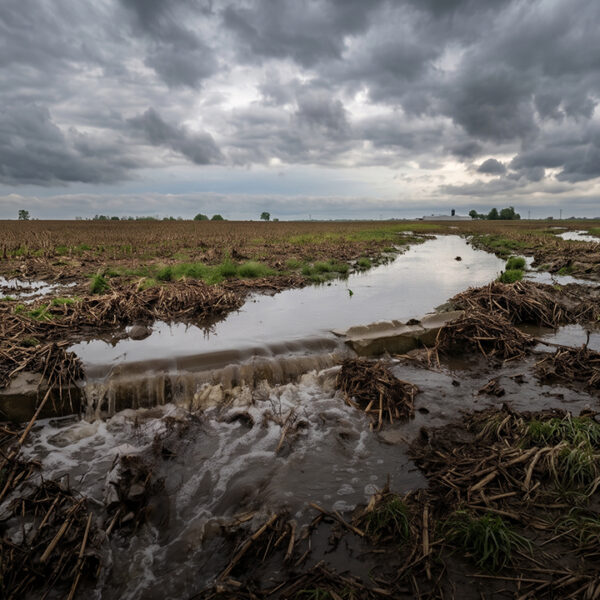
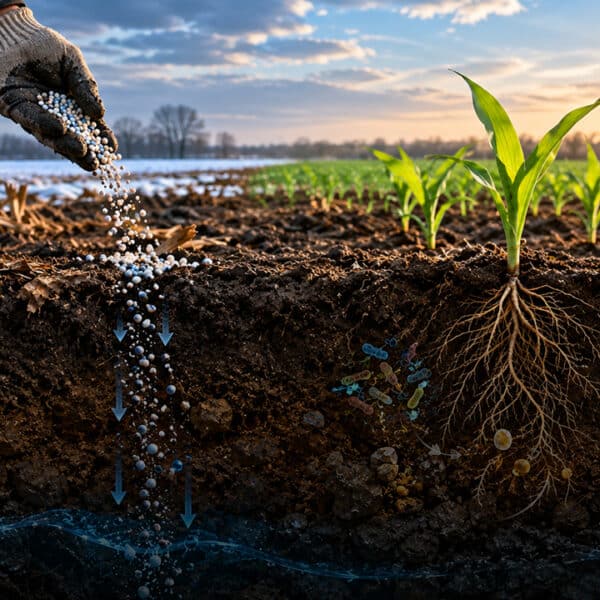
Environmental conditions matter too. Pesticides can move away from their target through drift, runoff, or movement in soil and water, and how much that risk matters depends on the product and the field. That’s why the same pesticide may not be the right fit for every situation, even against the same pest.
The Smaller Pesticide Categories
Rodenticides may be relevant where rodents threaten crops, feed, stored products, or farm infrastructure. Nematicides target nematodes, microscopic, worm-like organisms that feed on plant roots and can reduce a plant’s vigor. Molluscicides are used where slugs or snails are causing crop damage. These categories are narrower than herbicides, insecticides, and fungicides, but the same logic applies: they’re only relevant when their specific target is actually the problem in the field.
The Bottom Line
Pesticides are best understood as a collection of different tools, not one type of farm input. Knowing what each category targets, how it acts, and what conditions affect its performance is what explains where a pesticide may actually fit. The final call still comes down to the pest, the crop, field conditions, available products, local regulations, and the farmer’s own judgment.